March 18, 2026| Advocacy, People
By: Kyle Richter
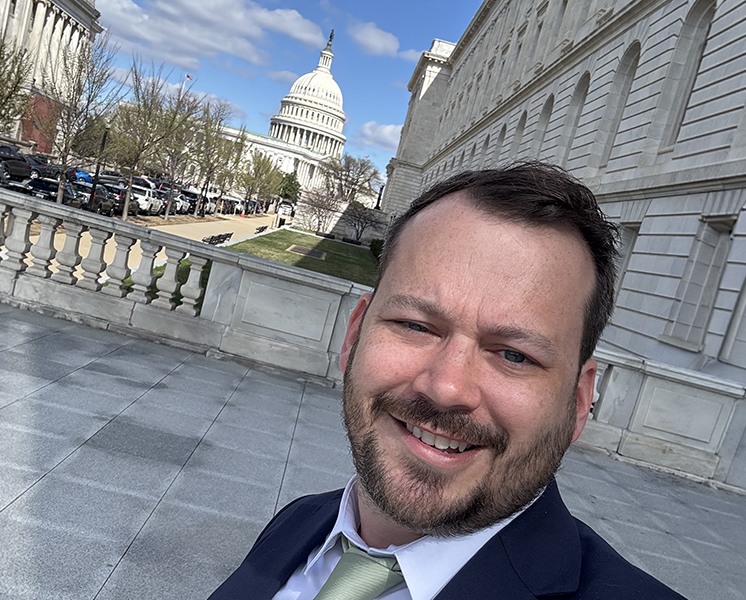
This past Tuesday, I had the opportunity to spend the day in Washington, D.C., representing the Lake Hopatcong Foundation as part of the Coalition for the Delaware River Watershed—a network of more than 200 organizations working together to protect and restore one of our nation’s most vital natural resources.
While Lake Hopatcong may feel like a local treasure, it is connected to the broader Delaware River watershed—a system that provides clean drinking water to more than 14 million people and supports a thriving regional economy, recreation, and wildlife habitat. That connection is exactly why it’s so important that Lake Hopatcong has a seat at the table in Washington, D.C.
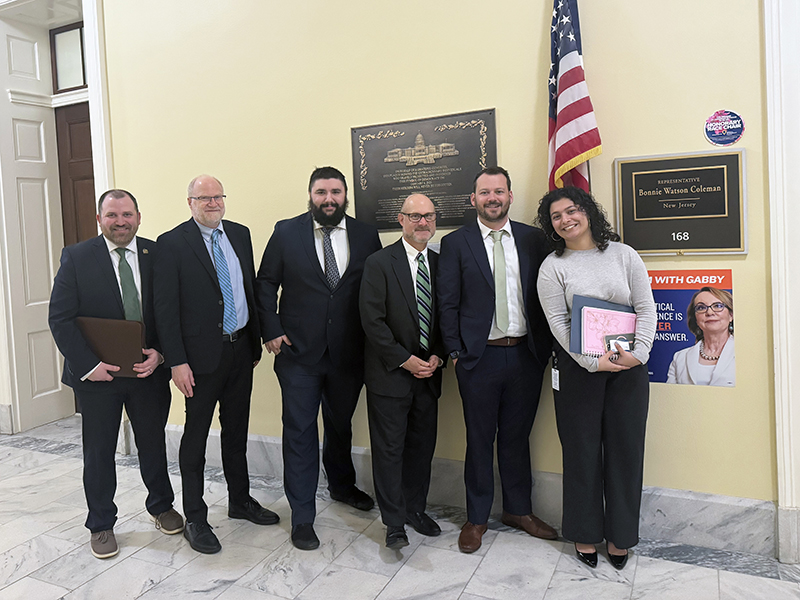
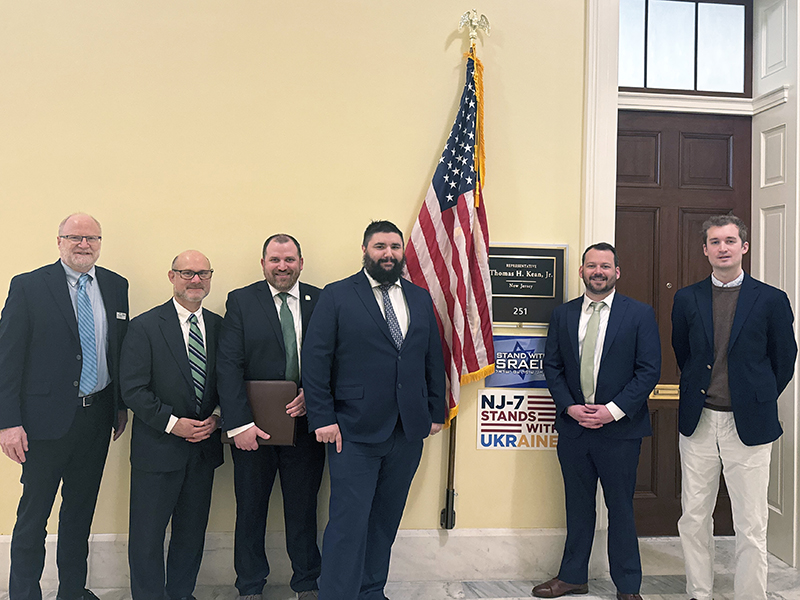
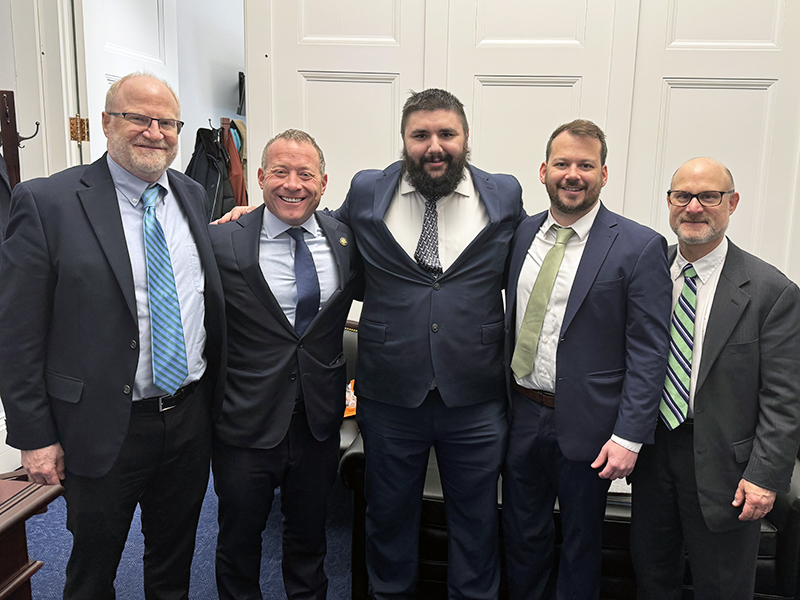
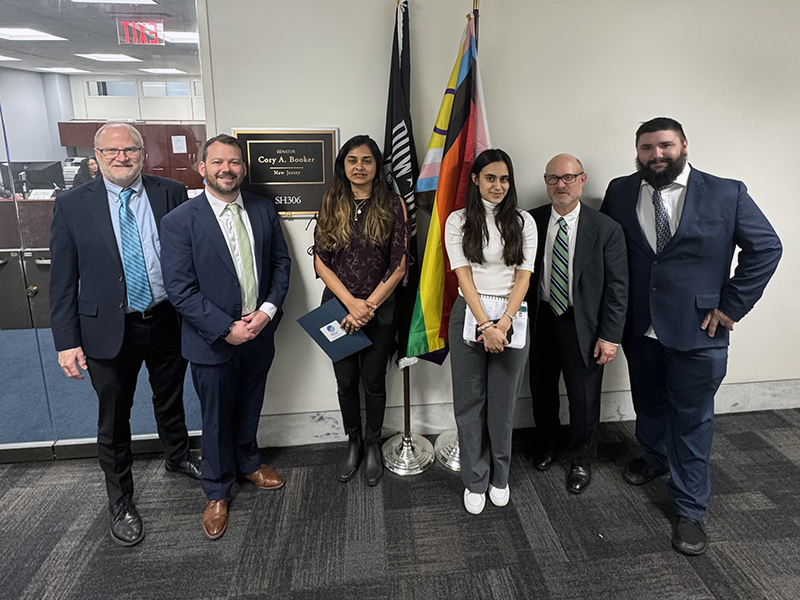
Throughout the day, we met with staff and representatives from several key congressional offices, including Congressman Tom Kean Jr., Congresswoman Bonnie Watson-Coleman, Senator Cory Booker, and Congressman Josh Gottheimer. These meetings were an opportunity to share the real, on-the-ground impact of federal funding and policy decisions on places like Lake Hopatcong and communities across New Jersey.
We spoke about the importance of continued investment in watershed restoration, water quality improvements, and community-based conservation programs—work that not only protects natural resources but also strengthens local economies and enhances the quality of life.
As part of the Coalition, we focused on three key priorities for Fiscal Year 2027:
These programs are proven, bipartisan investments that deliver real results. Since 2018, funding through the Delaware Watershed Conservation Fund has supported hundreds of projects, restoring streams and wetlands, improving forest health, and expanding public access to natural spaces.
At Lake Hopatcong, these resources help turn ideas into action, whether it’s improving water quality, enhancing shoreline resilience, or engaging the community in stewardship. Funding from these programs has been used for projects such as streambank stabilization projects in Hopatcong, Mount Arlington, and Roxbury, and ongoing habitat and stormwater management enhancements to Witten Park in Hopatcong, bringing $840,000 in federal investments to Lake Hopatcong.
Advocacy like this ensures that Lake Hopatcong is not overlooked in national conversations about water, conservation, and infrastructure. Just as importantly, these meetings help build relationships—ensuring that when decisions are made in Washington, there are champions who understand the value of our lake and the needs of our community.
Advocacy doesn’t happen in a single day, but days like this are an important step in making sure our voice is heard. We’re grateful to be part of the Coalition for the Delaware River Watershed and to work alongside so many dedicated partners across the region. And we’re thankful to the members of our congressional delegation who took the time to meet with us and engage in these important conversations.
We’ll continue to bring the story of Lake Hopatcong to every level of government—from local communities to Trenton and the halls of Congress—because protecting our lake requires action at every level.
June 24, 2026
Education, Environment
June 23, 2026
June 22, 2026
Community, Recreation