June 15, 2026| Education, Environment
By: Anna Smith
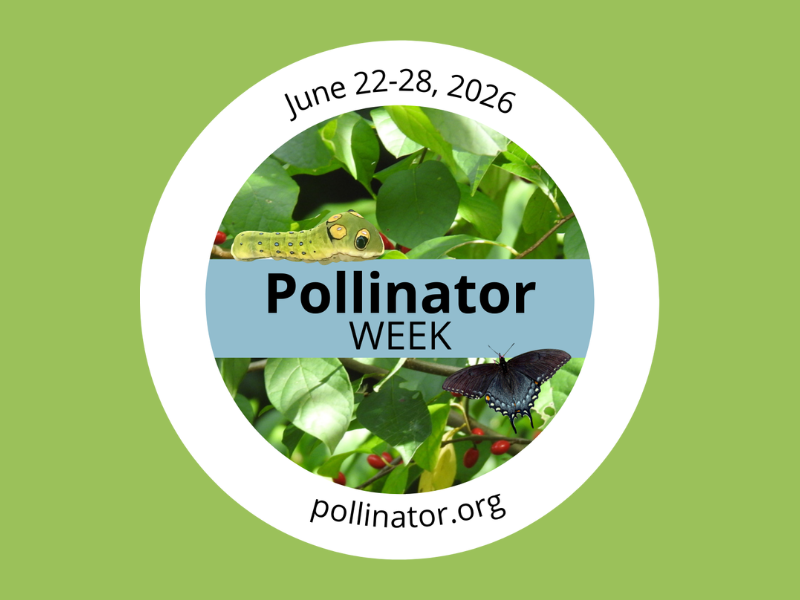
National Pollinator Week (June 22–28, 2026) is an annual celebration that recognizes the importance of pollinators and encourages us to take action to protect them. Birds, bats, bees, butterflies, beetles, and even some small mammals all play essential roles in pollination. Although some of these creatures may give you the “creepy-crawlies,” learning more about their roles and environmental impact just might help you see them with a different perspective.
Pollinators play a vital role in our daily lives. Many foods depend on pollination, including berries, peaches, melons, and tomatoes grown in New Jersey, as well as crops such as cacao (a key ingredient in chocolate!) in tropical regions. Without pollinators, agricultural production, food availability, and many of the landscapes we enjoy would be severely diminished. In fact, an estimated one-third of all foods and beverages that we consume rely at least in part on pollinators. Those sunflower fields and pumpkin patches that fill your camera roll each fall? You can thank the bees and the other pollinators for making them possible!
Each year, Pollinator Partnership leads National Pollinator Week. Their website provides an abundance of resources to help you learn more and get involved. Below are some examples.
You can follow the steps outlined by Pollinator Partnership to create a pollinator garden. For additional guidance on selecting the right plants, you can check out their ecoregional planting guide. These gardens provide essential habitat for pollinators, offering reliable food sources throughout every stage of their life cycle. They also create safe spaces where certain species can nest and lay their eggs, supporting healthy and thriving pollinator populations.
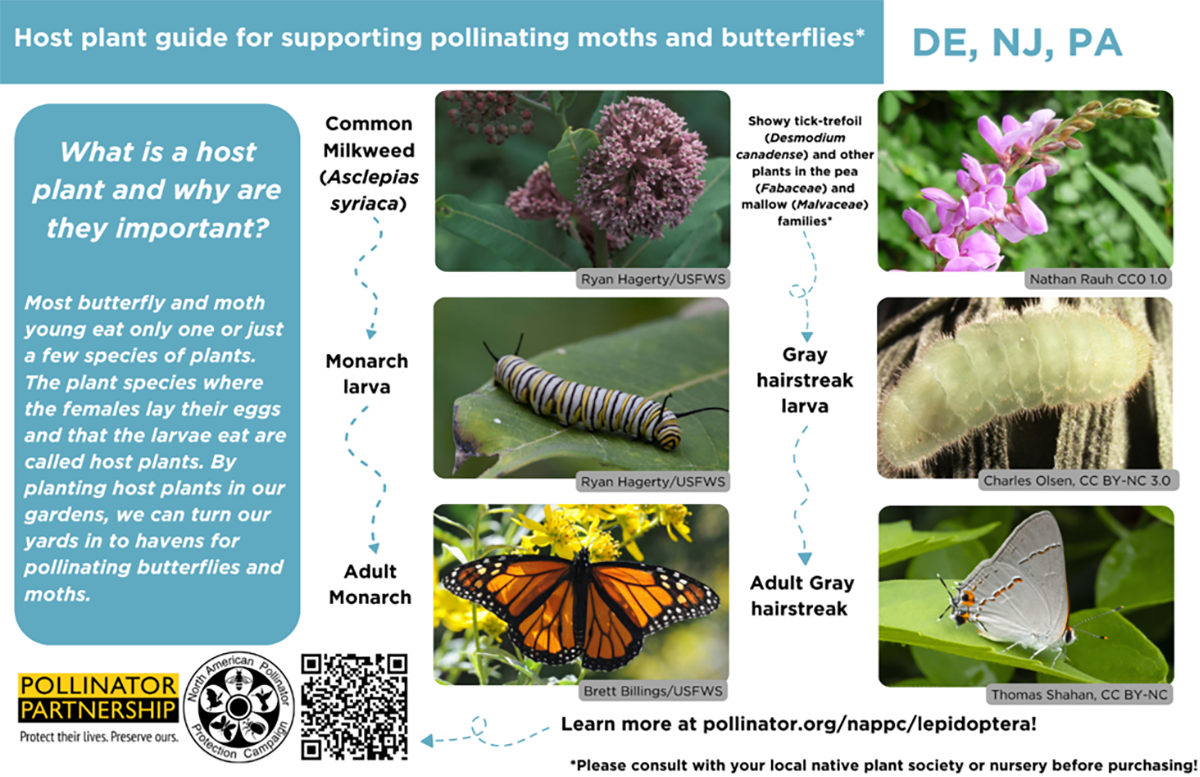
At the Lake Hopatcong Foundation, we encourage the planting of native species through programs like our annual native plant sale and the interpretive native gardens at our office at 125 Landing Road in Landing. You're welcome to visit our gardens anytime for a self-guided tour and learn about New Jersey native plants. You can also explore a virtual version of our gardens.
When people think of pollinators, honeybees often come to mind, but they are just one of thousands of bee species worldwide. While bees can sting if they feel threatened, most are not aggressive and prefer to avoid humans. In fact, many native bee species are solitary and rarely sting.
During Pollinator Week, Project Pollinators is hosting a Pollinator Bioblitz. They are asking the public to document pollinators on floral resources so that they can determine how the pollinators are distributed across the US, Canada, and Mexico during Pollinator Week.
Learning to identify common bee species can help us appreciate the important role they play in maintaining healthy ecosystems and thriving gardens. Use the guide linked below to discover some of the bees you may encounter and how each contributes to the natural world in its own unique way.
Our everyday actions can impact pollinators, both positively and negatively. Habitat loss, pesticide misuse, extreme droughts, and the spread of non-native or invasive plants can all contribute to pollinator decline. The good news is that by being proactive, you can make a meaningful difference right in your own community!
By taking part in even a few simple actions, such as these 7 things you can do for pollinators, you can help support and protect local pollinator populations. With a little awareness and action, we can all play a role in protecting the pollinators that keep our world growing and blooming.
Happy Pollinator Week!
June 12, 2026
Events, Fundraising